Amer Fort Elephant Ride: Everything Tourists Need to Know
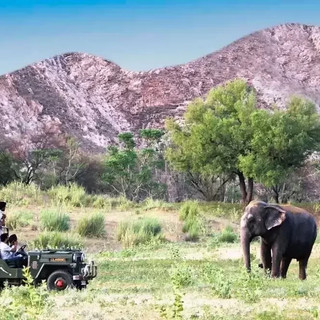

Jaipur is famous for its royal palaces, colorful markets, and magnificent forts that reflect Rajasthan’s rich history. Among these attractions, Amer Fort stands out for its impressive architecture, beautiful courtyards, and historical charm. The Amer Fort Elephant Ride has traditionally been associated with the experience of approaching the fort in a royal style, making it an attraction that many tourists ask about when planning their Jaipur trip. However, elephant rides raise important animal-welfare concerns, and visitors should check current official arrangements before planning this activity. Understanding the available options, expected costs, visiting procedures, and responsible tourism practices can help you enjoy a memorable visit to this historic landmark.
What Makes Amer Fort a Popular Tourist Attraction?
Amer Fort, also known as Amber Fort, is located near Jaipur and is one of Rajasthan’s most celebrated historical sites. Built primarily during the Rajput era, the fort showcases a combination of Rajput and Mughal architectural influences. Its grand gateways, intricate decorations, and impressive courtyards make it an essential stop for visitors interested in Indian history.
Tourists can explore attractions such as Diwan-i-Aam, Sheesh Mahal, and the fort’s beautifully designed courtyards. The surrounding hills and Maota Lake add to the location’s scenic beauty. Although the traditional elephant experience attracts attention, visitors can appreciate the fort’s heritage through its architecture, guided tours, and photography without participating in an animal ride.
Why Do Tourists Ask About Elephant Rides at Amer Fort?
For many years, elephants were associated with the traditional approach to Amer Fort, creating an image of royal travel that appeals to visitors interested in Rajasthan’s cultural heritage. The experience is often discussed in travel guides, photographs, and tourism-related content.
However, the availability of rides can change because of official regulations, operating conditions, and animal-welfare considerations. Therefore, tourists should not assume that rides will be available on their chosen date. Anyone considering an Elephant Ride In Amer should first check current official information and consider whether the activity meets acceptable animal-welfare standards.
Visitors who prefer alternatives can explore the fort on foot, arrange suitable local transportation, or hire a guide to explain its historical significance. These options allow travelers to experience the destination while making responsible tourism choices.
How Can You Plan Your Visit to Amer Fort?
Planning ahead helps you make the most of your time at this historic destination. Follow these steps before leaving for the fort:
Choose your travel date: Check the weather forecast and plan your visit during comfortable conditions.
Confirm opening hours: Verify the current visiting schedule through official tourism or monument information.
Arrange transportation: Choose a taxi, an authorized local transport service, or another suitable way to reach the entrance.
Check activity availability: If you are researching an elephant experience, confirm whether any officially authorized activity is operating on your visit date.
Wear comfortable clothing: Walking shoes, sun protection, and drinking water can make exploring the complex easier.
Allow enough time: Set aside several hours to explore the fort’s courtyards, architectural features, and viewpoints.
These simple preparations can help you avoid unnecessary delays and enjoy a more relaxed sightseeing experience.
What Should You Know About Elephant Rides at Amer Fort?
Visitors searching for an elephant ride in amer fort should understand that historical popularity does not guarantee current availability. Rules, operating schedules, and permitted activities can change, so confirm details before purchasing a package or making a special trip for the ride.
Animal welfare should also be part of your decision. Elephants require suitable living conditions, proper veterinary care, adequate rest, and appropriate handling. Tourists should avoid activities that appear to involve distress, unsafe handling, excessive workloads, or unsuitable conditions.
A responsible visit can focus on learning about the animals and their conservation needs while enjoying the fort’s historic setting. If an elephant activity is not available or does not meet your expectations for ethical treatment, exploring the monument and its surroundings remains a worthwhile alternative.
What Is the Amer Fort Elephant Ride Price?
The amer fort elephant ride price is a common search among tourists preparing their Jaipur travel budget. However, there is no single price that should be assumed to apply to every date or visitor. Availability, authorized operating arrangements, and applicable rules can affect what activities are offered.
Before paying for any experience, follow these precautions:
Check official information for currently authorized activities.
Confirm the complete fee and what it includes.
Ask whether advance booking is necessary.
Avoid relying solely on old travel blogs or outdated price lists.
Do not pay unofficial agents who promise guaranteed rides without verifiable authorization.
Also, remember that the fort’s entry ticket and any separate transport or guide charges may be different from the cost of an optional activity. Check the latest official ticket information to calculate your overall sightseeing budget accurately.
How Can You Estimate the Total Cost of Visiting Amer Fort?
When preparing your budget, consider the overall expense rather than focusing on a single activity. The total amer fort elephant ride cost may be difficult to establish without verified current operating information, so do not treat historical online prices as confirmed rates.
Use the following process to estimate your expenses:
Monument entry: Check the current ticket price for your visitor category.
Transportation: Estimate the cost of traveling from your hotel or another Jaipur attraction.
Guide services: Decide whether you want a guide and confirm the fee in advance.
Food and refreshments: Set aside money for snacks, water, or a meal.
Optional experiences: Include only activities that are currently available, officially authorized, and suitable for your preferences.
Keep a small reserve for unexpected expenses. If you decide against an elephant ride, you can redirect that portion of your budget toward a guided heritage tour or another cultural attraction in Jaipur.
What Is the Best Time to Visit Amer Fort?
The cooler months, generally from October to March, are often comfortable for sightseeing in Jaipur. Morning visits can also help you avoid some of the midday heat and give you more time to explore the fort.
During summer, temperatures can become very high, so carry water, wear breathable clothing, and take breaks when needed. Monsoon weather can bring humidity and occasional rain, making it useful to check the forecast before traveling.
Regardless of the season, confirm the monument’s current opening hours and any temporary access restrictions. Allow extra time if you plan to visit other nearby attractions on the same day.
What Responsible Tourism Practices Should Visitors Follow?
Responsible tourism means appreciating historical places while respecting local communities, wildlife, and cultural heritage. At Amer Fort, visitors can make thoughtful choices in several ways:
Follow monument rules and respect restricted areas.
Avoid littering or damaging historic structures.
Choose authorized guides and legitimate local services.
Do not support animal activities that raise serious welfare concerns.
Avoid touching, feeding, or approaching animals without proper authorization.
Learn about the fort’s history and architectural significance.
These practices help preserve the destination for future visitors while making your trip more educational and meaningful.
How Can You Enjoy Amer Fort Without an Elephant Ride?
You do not need an elephant ride to experience the beauty of Amer Fort. Consider these alternatives:
Explore the fort’s grand entrances, courtyards, and historic halls on foot.
Learn about the architecture and royal history with a knowledgeable guide.
Photograph the surrounding hills and views of Maota Lake from permitted areas.
Visit nearby Jaipur landmarks as part of a wider heritage itinerary.
Explore local crafts, traditional cuisine, and cultural experiences elsewhere in the city.
With a little planning, you can build a rewarding Jaipur itinerary that combines history, architecture, and local culture without depending on an animal-based attraction.
Frequently Asked Questions
1. Is the Amer Fort Elephant Ride available every day?
Short answer: Not necessarily. Confirm current availability and official operating arrangements before visiting.
2. How much does an elephant ride at Amer Fort cost?
Short answer: Prices and availability can change. Check verified, current information before budgeting or paying.
3. What is the best time to visit Amer Fort?
Short answer: October to March is generally comfortable for sightseeing, although conditions vary.
4. How long should I spend at Amer Fort?
Short answer: Allow around two to three hours for a general visit, depending on your interests and pace.
5. Can I explore Amer Fort without riding an elephant?
Short answer: Yes. You can explore its courtyards, historic halls, architecture, and viewpoints without an elephant ride.


Comments